5 Questions to Ask Before Hiring a Personal Trainer

What’s changed since Power of 10?
Adam’s Serendipitous Career in Exercise
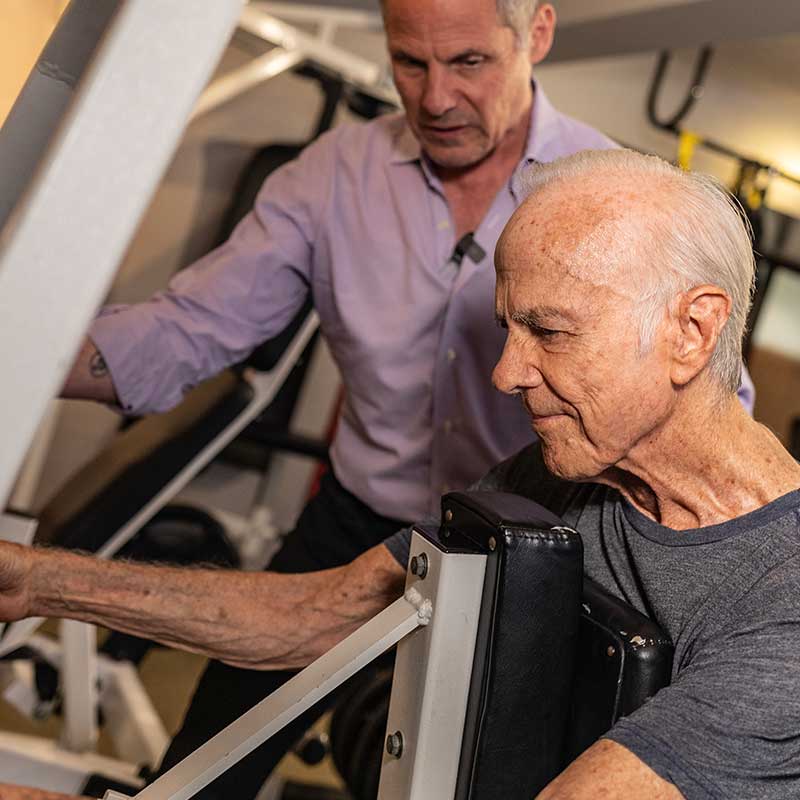
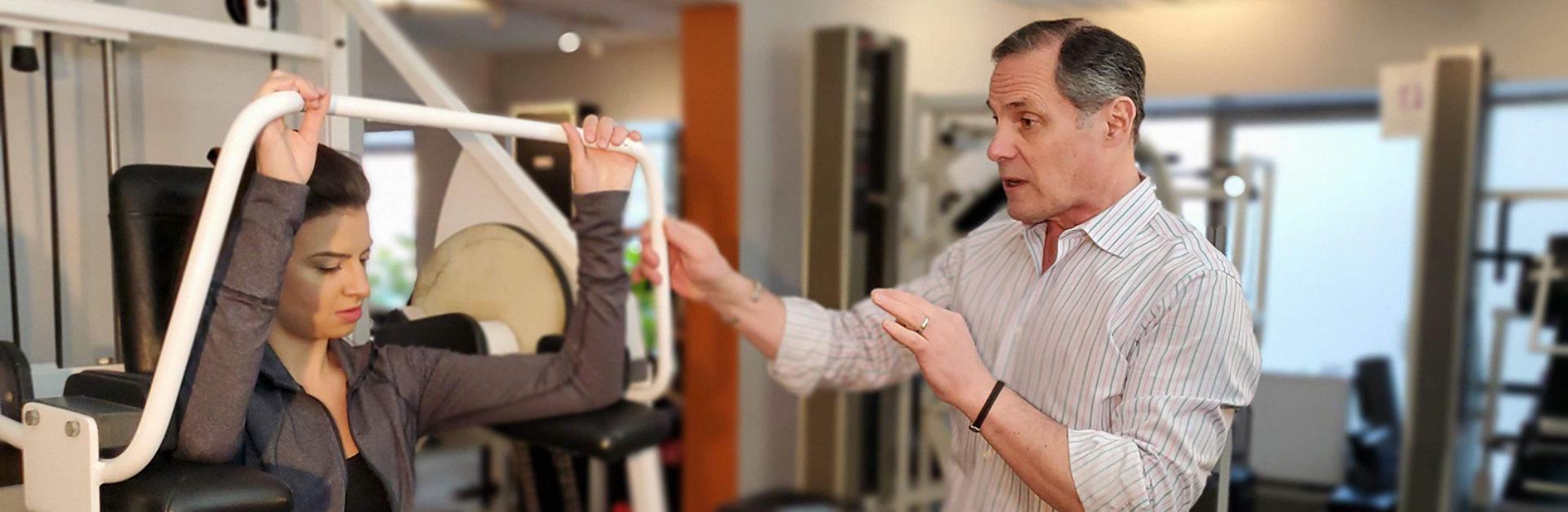
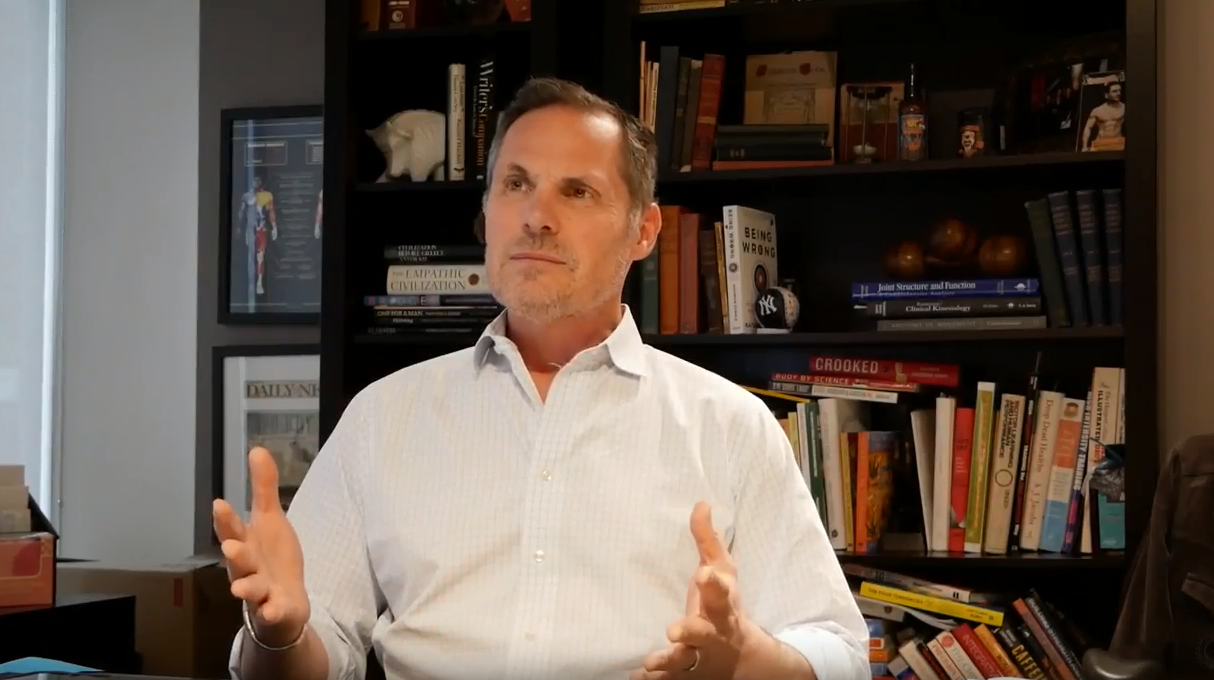
"I've made the mistake of not thinking for myself in a way, just following a strict protocol. Now, I still believe in the principles of lifting weights slowly and safely and there has to be a certain level of intensity, but that's where the rules end." Adam Zickerman, owner of Inform Fitness and author of Power of 10, speaks to HITuni about his story and how his perspective on exercise has changed over the years.
Adam has been a successful gym owner since the late 1990’s. In fact, 2018 marks his 21st year in the business of teaching the principles of sound strength training, but how did it all begin for him?
He had always been athletic as a kid and teen playing baseball, swimming, cycling and even pushing himself through triathlons. It was this athletic nature that initially led him into the world of strength training, seeking improved performance in his sporting endeavors.
As a motivated young man, Adam stuck with his physical regime even after entering the working world. At this point, he was exercising 5 days a week and could often be heard espousing the benefits of exercise to his more sedentary work colleagues. It was whilst looking to motivate his boss into starting exercise that Adam had a wake-up call of sorts. Obviously not a man to mince his words, Adam’s boss retorted with words to the effect “For all the exercise you do, you look like shit and as far as I can see your workouts are doing you more harm than good!” READ MORE
Read HitUni.com's blog post in a series featuring outstanding individuals from the HIT community who we spent some time with on our trip to the US earlier this year. In this post, we feature Adam Zickerman, owner of Inform Fitness and author of Power of Ten 10.
FAQs
For competitive lifters who’ve trained the movement for years and accept the risk as part oftheir sport, it’s a fair trade. For most other people the risk-to-reward math doesn’t hold up. Thebarbell sits on your spine, the load goes straight down through your discs, and theconsequences when technique fails are severe. You can build very nearly the same strengthwith far safer tools.
Improvement in balance is highly specific to the task you train. Standing on a wobble boardmakes you better at standing on a wobble board. It doesn’t transfer the way the marketingsuggests. The better path to real-world stability is being stronger and moving regularly.
Not at all. Cardio is valuable activity in its own right, and it can be serious training. The troubleis when it gets evaluated by a definition that doesn’t fit. It deserves its own conversation.
For strength: progressive resistance training built around the major muscle groups, enoughprotein, enough sleep, daily movement. For everything else: pick activities you enjoy and dothem often. The fundamentals work. They just don’t sell magazines.
Exercise, the way I use the word, is structured work designed to build strength safely.Recreation is any activity that keeps you moving — sports, hiking, dance, tennis, cardio. Bothare valuable. They just shouldn’t be evaluated by the same rules, and confusing them is wheremost fitness debates go off the rails.