5 Questions to Ask Before Hiring a Personal Trainer

Sharing in Mother Nature’s Bounty
As often as possible, I peruse my local Farmers Market in search of fresh organic fruits and vegetables. And, yes, as often as possible, I capitalize on those excursions as opportunities to observe my fellow health-conscious shoppers. My wife calls it staring. Regardless, I think people are fascinating.
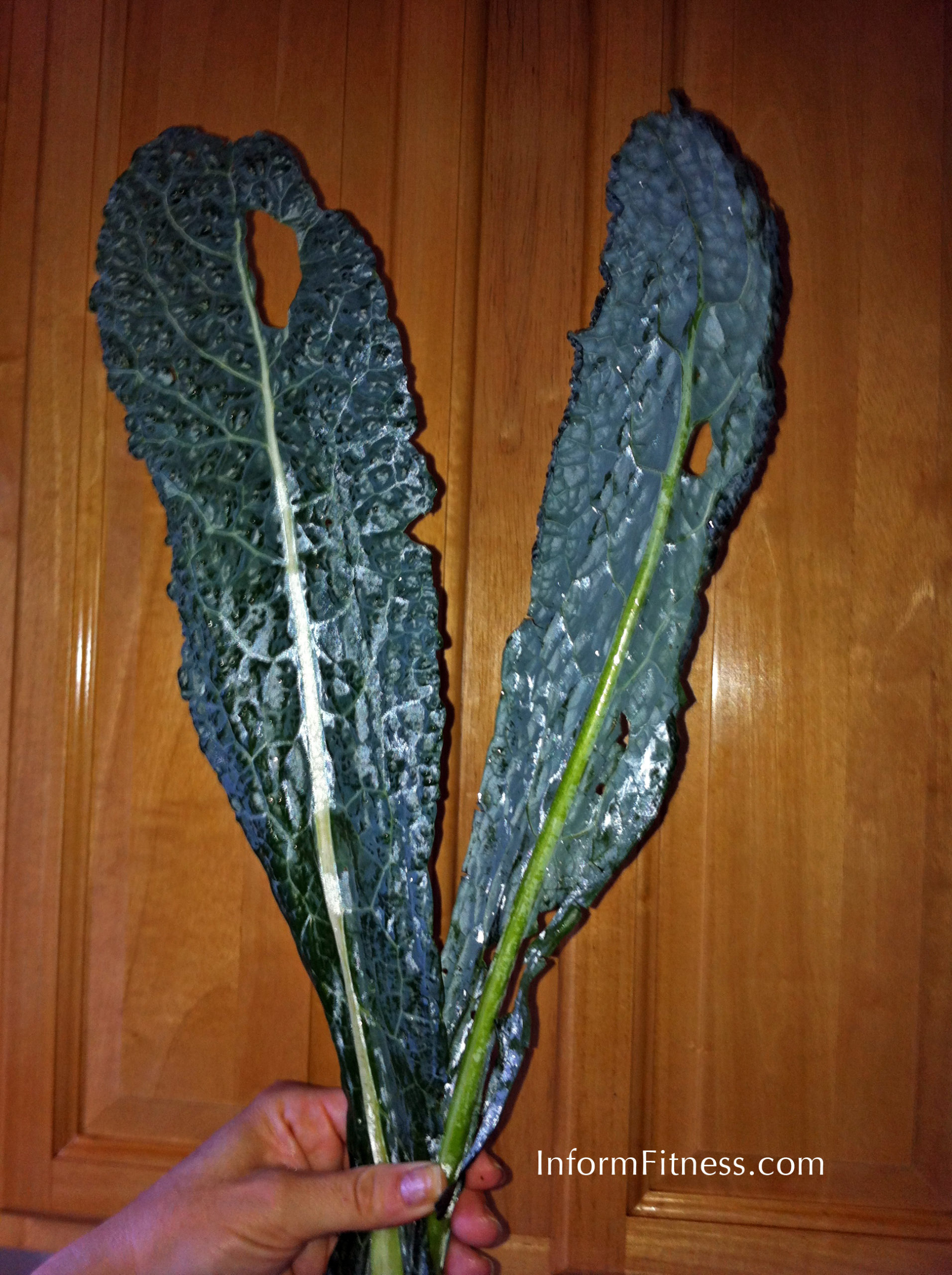
So, in a collective pursuit of superior health and nutrition, we, for all appearances, are engaged in a discerning search for chemical- and pesticide-free produce, while at the same time supporting the local farming community. Wonderful! But, why then do some people seem so disapproving of the head of leafy greens riddled with holes?
The irony is that we simply can’t afford to be so picky.
Supermarket conglomerates dazzle the consumer with rows of completely intact, waxy, perfectly symmetrical and vibrantly colored produce, at an enormous cost to our health. Sadly, though, we have grown aesthetically conditioned to desire that still life, picture-perfect bowl of fruits and vegetables, and are thus prone to dismiss the less “attractive” cornucopia of offerings we find at the open market.
Produce will grow strong and beautiful in the absence of heavy pesticide sprays and chemical-rich soils, but the sometimes ugly truth is that insects will also thrive and most likely be the first to partake.
Those little holes in the lettuce leaf – that is the evidence that insects have lavishly fed there before – and is exactly the proof I am looking for to authenticate the organic labeling! Logically, hole-free skin and or leaves tell me that my fruits and vegetables were most likely treated with poisons designed to kill life – a notion I find far less appetizing than a few remnant signs of insect feedings, or even the darned insects themselves.
So, I encourage my fellow organic shoppers to relish the opportunity to share in Mother Nature’s Bounty, and reap the pleasures and benefits of contaminate-free produce. And, as the old joke would assure you, they won’t eat much.
FAQs
For competitive lifters who’ve trained the movement for years and accept the risk as part oftheir sport, it’s a fair trade. For most other people the risk-to-reward math doesn’t hold up. Thebarbell sits on your spine, the load goes straight down through your discs, and theconsequences when technique fails are severe. You can build very nearly the same strengthwith far safer tools.
Improvement in balance is highly specific to the task you train. Standing on a wobble boardmakes you better at standing on a wobble board. It doesn’t transfer the way the marketingsuggests. The better path to real-world stability is being stronger and moving regularly.
Not at all. Cardio is valuable activity in its own right, and it can be serious training. The troubleis when it gets evaluated by a definition that doesn’t fit. It deserves its own conversation.
For strength: progressive resistance training built around the major muscle groups, enoughprotein, enough sleep, daily movement. For everything else: pick activities you enjoy and dothem often. The fundamentals work. They just don’t sell magazines.
Exercise, the way I use the word, is structured work designed to build strength safely.Recreation is any activity that keeps you moving — sports, hiking, dance, tennis, cardio. Bothare valuable. They just shouldn’t be evaluated by the same rules, and confusing them is wheremost fitness debates go off the rails.