5 Questions to Ask Before Hiring a Personal Trainer

Feed Your Gut

FEED YOUR GUT
We’ve heard a lot about gut health lately, and with good reason. Good gut health translates to a strong immune system, a balanced metabolism, the effective breakdown and assimilation of our food, and, according to recent studies, good brain health as well. But good gut health is wholly dependent on the maintenance of a strong and healthy microbiome, that colony of “good” or friendly bacteria that lives in our gastrointestinal tract, comprising some 300-500 different bacterial species. Keeping that population healthy and viable is the key to making it all work. And in this world of highly processed food, refined carbohydrates, heavy antibiotic use, and environmental toxins, keeping our microbiomes healthy is no easy feat. Now, I know what you’re thinking -- you’ve heard all this before and you know what to do. Just make sure to stock up on yogurt, pop a daily probiotic supplement, and you’re good to go, right? Well, not so fast…
It’s true that we need to consume a regular supply of probiotic and fermented foods to keep our gut microbiome well populated with friendly bacteria, especially since our lifestyle and eating habits often work to their detriment. Eating a variety of probiotic-rich foods daily should therefore be part of a healthy diet. Good examples of such foods include: yogurt, kefir, miso, tempeh, kombucha, kimchi, sauerkraut, raw pickles, and raw vinegars. And just for good measure, taking a high quality probiotic supplement is often recommended as well. But we need to continually nourish that good gut bacteria if they are to survive and thrive. Just as with any living organism, our good bacteria will die off if they are not properly fed. That is where prebiotics come in.
PREBIOTICS
Prebiotics are a category of foods that actually feed our good gut bacteria. They are non-digestible, high fiber compounds that are found in certain fruits and vegetables, as well as other plant-based sources. These prebiotic starches, while non-digestible to humans, are highly digestible to our beneficial bacteria, and are essential to maintaining their health. An added plus is that they are resistant to our gastric acid, which allows them to pass through to the intestinal tract intact, where they are then fermented and readily consumed by our hungry microbial population.
The regular consumption of prebiotic foods is important for us all, but particularly so for individuals who suffer from conditions of the digestive tract, such as Irritable Bowel Syndrome, colitis, and Crohn’s disease. But studies have shown that prebiotics offer other health benefits as well. They help to reduce our risk for cardiovascular disease and Type II diabetes by lowering cholesterol levels and regulating our blood sugar; they promote satiety, thereby keeping our weight at a healthy level; and they help to prevent certain types of cancers, most notably colon cancer. They are a fundamental component of a healthy diet.
WHAT FOODS ARE CONSIDERED PREBIOTIC?
Prebiotic-rich foods include:
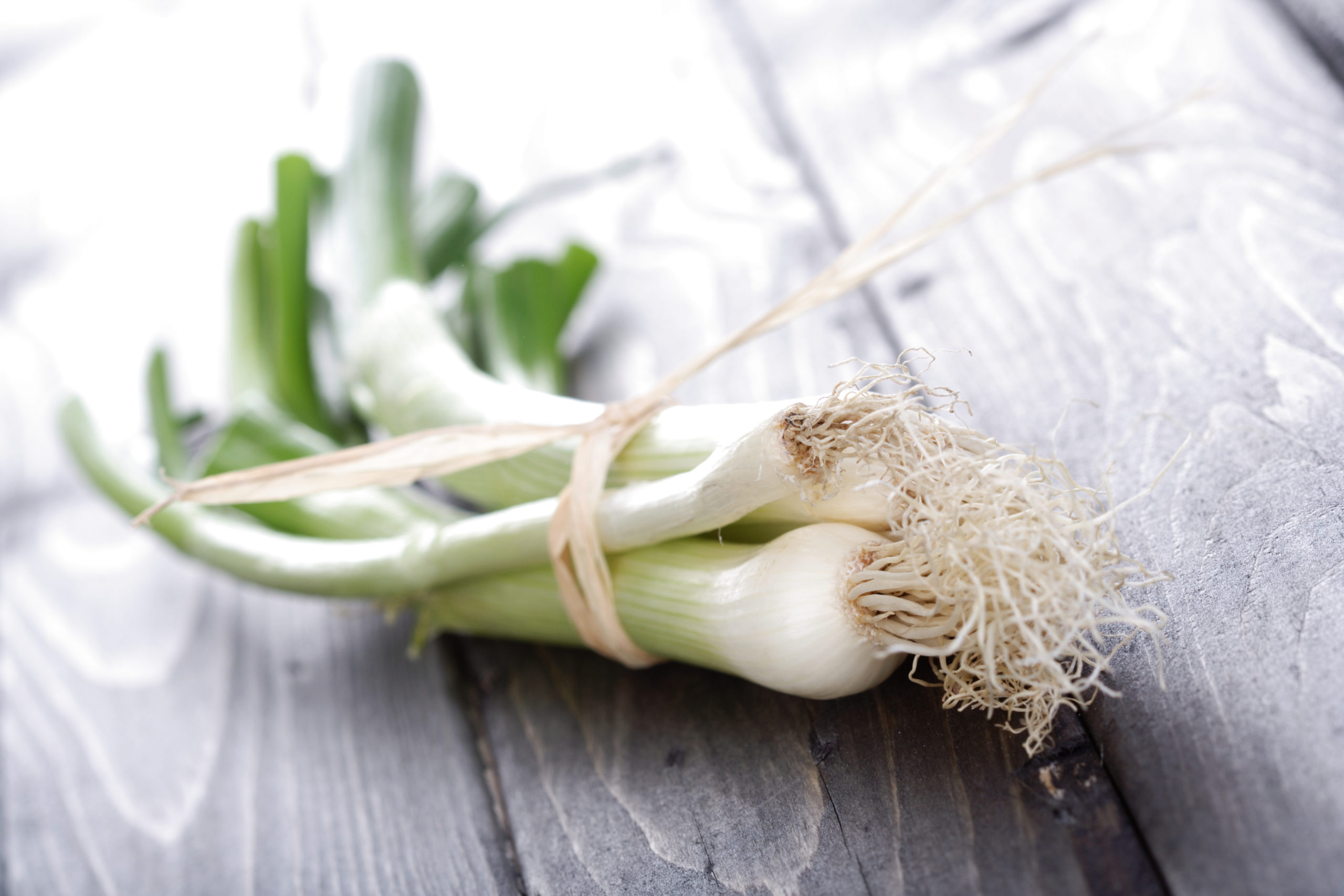
- Leeks
- Onions
- Garlic
- Chicory Root
- Asparagus
- Jerusalem Artichokes (Sunchokes)
- Soybeans
- Legumes
- Eggplant
- Dandelion Greens
- Burdock Root
- Jicama
- Chinese Chives
- Wheat Bran
- Oats
- Rye
- Bananas
- Honey
SO, HOW MUCH SHOULD I EAT?
It is recommended that we consume at least 5 grams of prebiotic fiber a day to maintain optimal gut health. Much of that should be in raw form, to the extent possible, since cooking any fruit or vegetable acts to break down its fibers. But a combination of raw salads and lightly sautéed or steamed prebiotic vegetables should be more than adequate to meet our daily needs.
In terms of “bang for the buck”, chicory root delivers the highest percentage of prebiotic fiber by weight, at nearly 65 percent, while bananas deliver the lowest, with only 1 percent of fiber by weight. The rest of the foods listed above fall somewhere in between those ranges. It doesn’t take much to reach the desired 5-gram goal, but as with any dietary regime, variety is the spice of life. Experiment with including a wide assortment of prebiotic foods in your daily recipes, and you should be well covered.
So, the next time you’re at the Farmer’s Market, be sure to pick up some leeks, asparagus, garlic, and onions, thinking of the prebiotic benefits that will ensue! And while you’re at it, you just might want to throw in some dandelion greens as well. Your gut will thank you for it.
FAQs
For competitive lifters who’ve trained the movement for years and accept the risk as part oftheir sport, it’s a fair trade. For most other people the risk-to-reward math doesn’t hold up. Thebarbell sits on your spine, the load goes straight down through your discs, and theconsequences when technique fails are severe. You can build very nearly the same strengthwith far safer tools.
Improvement in balance is highly specific to the task you train. Standing on a wobble boardmakes you better at standing on a wobble board. It doesn’t transfer the way the marketingsuggests. The better path to real-world stability is being stronger and moving regularly.
Not at all. Cardio is valuable activity in its own right, and it can be serious training. The troubleis when it gets evaluated by a definition that doesn’t fit. It deserves its own conversation.
For strength: progressive resistance training built around the major muscle groups, enoughprotein, enough sleep, daily movement. For everything else: pick activities you enjoy and dothem often. The fundamentals work. They just don’t sell magazines.
Exercise, the way I use the word, is structured work designed to build strength safely.Recreation is any activity that keeps you moving — sports, hiking, dance, tennis, cardio. Bothare valuable. They just shouldn’t be evaluated by the same rules, and confusing them is wheremost fitness debates go off the rails.