5 Questions to Ask Before Hiring a Personal Trainer

Failure Is The Only Option- copy

Failure Is The Only Option
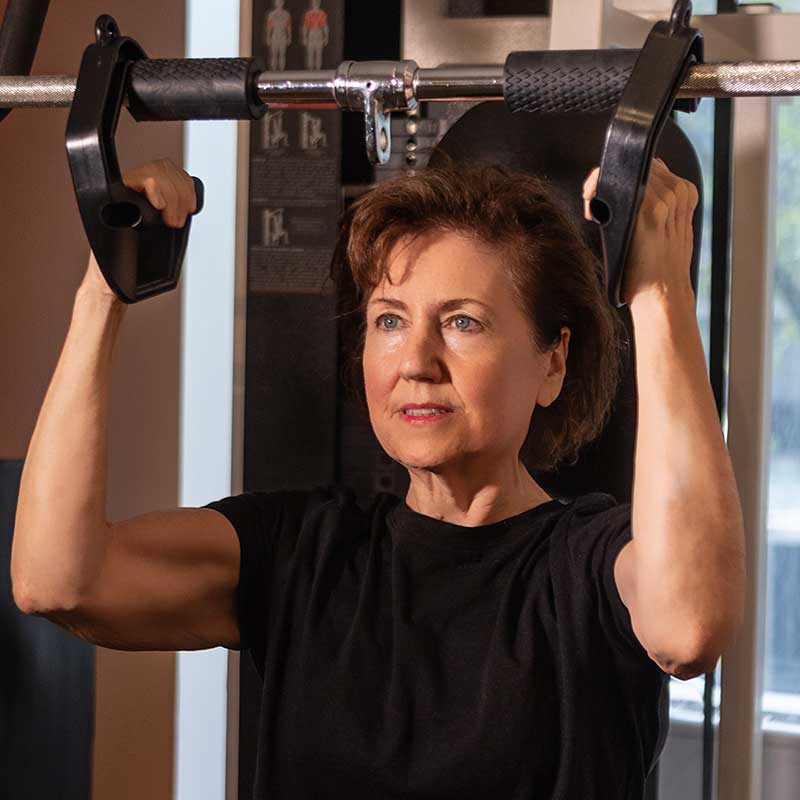
Failure. This one little word generally has a negative connotation attached to it, yet in the world of exercise, strength training ‘to (muscle) failure’ is the goal. Training to failure means the trainee loads the muscles through a pain free range of motion to the point of absolute muscular exhaustion, i.e., the inability to move the weight, even another inch, with safe and proper form.
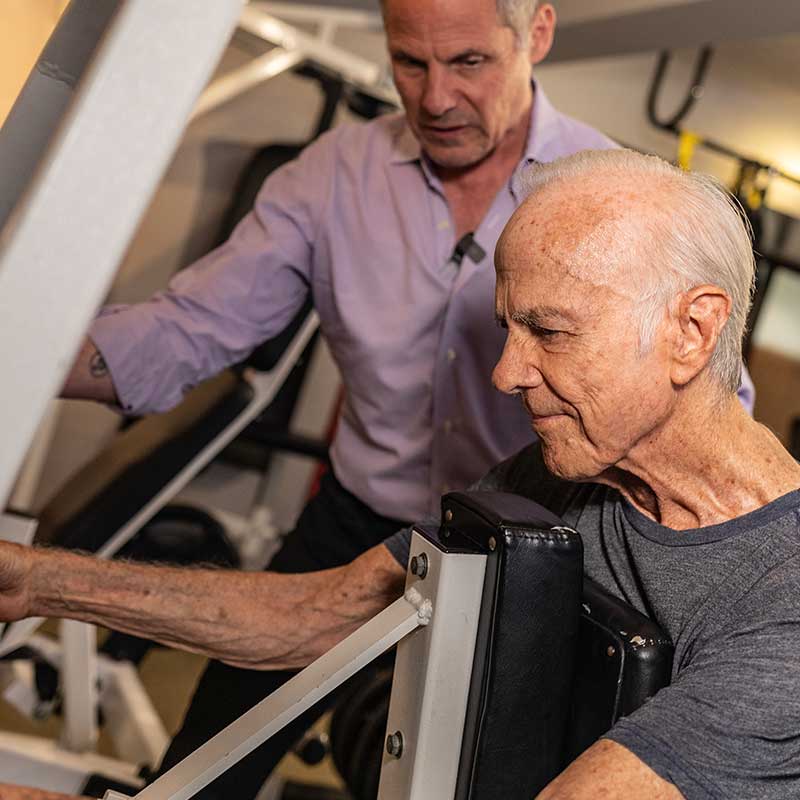
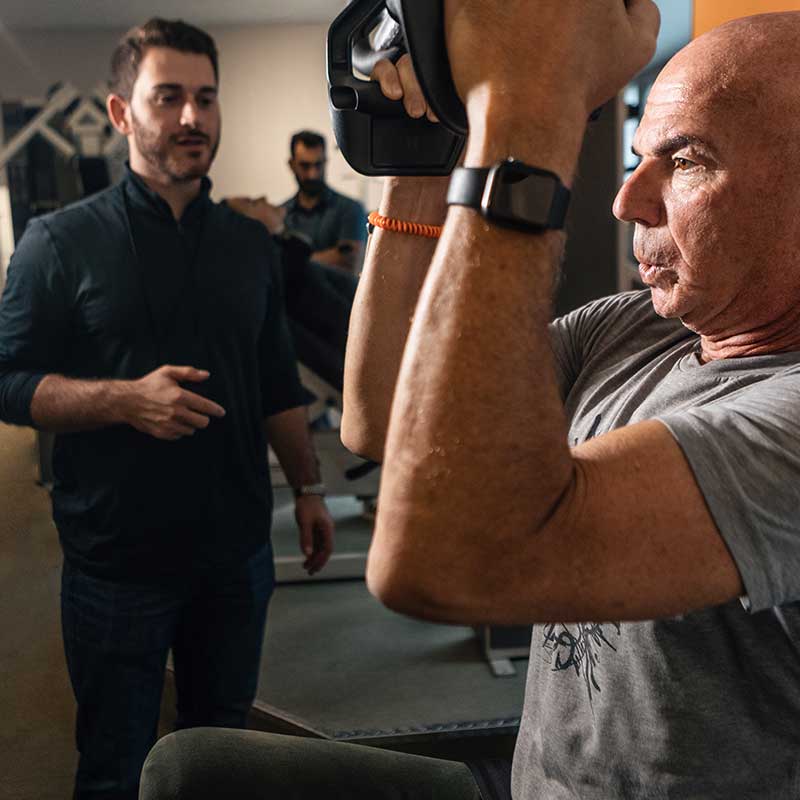
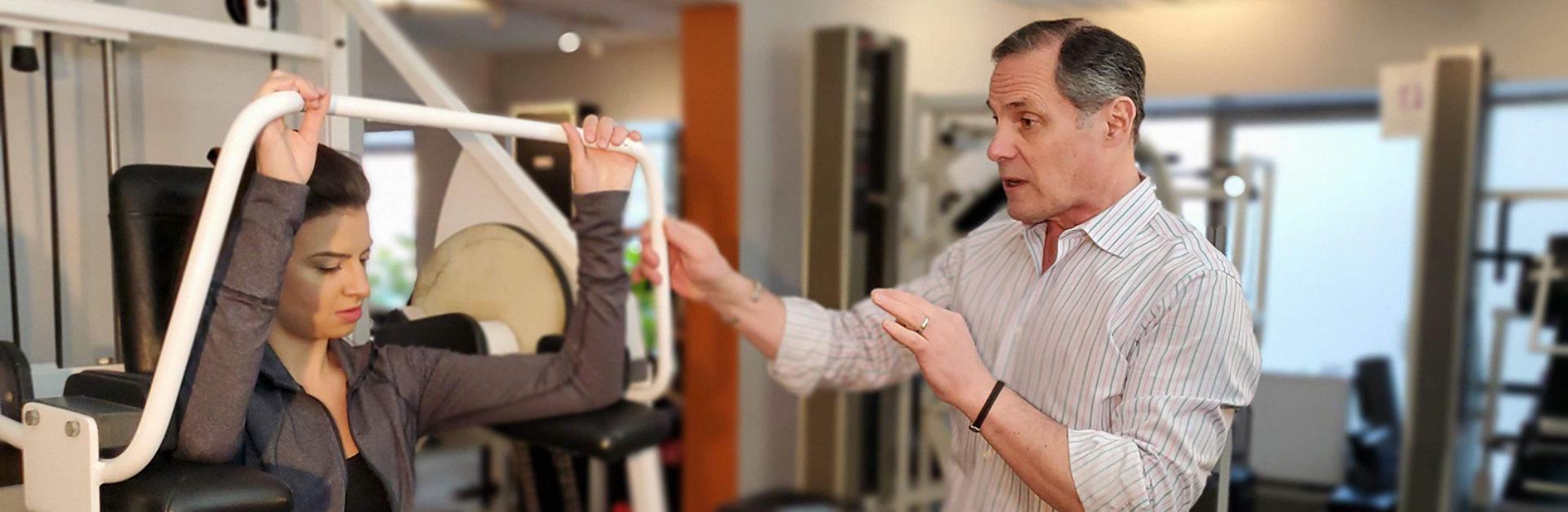
In my day-to-day work as an exercise instructor at InForm Fitness in Manhattan, NY, it is not uncommon to hear a client say, “I don’t like to fail”. The idea of exercising to muscular exhaustion (failure), for many, is discouraging and leaves them feeling quite negative.
It is important to reorient yourself from what you generally think of the word “failure” to mean and think of it as a pathway to success. C.S. Lewis has said, “Failures are finger posts on the road to achievement”. While I am pretty sure he didn’t have strength training in mind, I think it applies beautifully.
The goal is to always try for one more repetition (with safe and proper form) even if you do not think you can. Should you complete that repetition you must try again, always working for even just one more inch. This tremendous effort sends the signal to your brain to make your existing muscle fibers stronger. Unfortunately, should the trainee try to avoid muscle failure and therefore avoid the discomfort, they would never illicit the response they need to achieve all the wonderful benefits of strength training. Simply put, failure is the only option.
So, remember, with this new paradigm, strength training to failure is not a sign of weakness. Quite the contrary, it is a sign of strength, and of more strength to come.
FAQs
For competitive lifters who’ve trained the movement for years and accept the risk as part oftheir sport, it’s a fair trade. For most other people the risk-to-reward math doesn’t hold up. Thebarbell sits on your spine, the load goes straight down through your discs, and theconsequences when technique fails are severe. You can build very nearly the same strengthwith far safer tools.
Improvement in balance is highly specific to the task you train. Standing on a wobble boardmakes you better at standing on a wobble board. It doesn’t transfer the way the marketingsuggests. The better path to real-world stability is being stronger and moving regularly.
Not at all. Cardio is valuable activity in its own right, and it can be serious training. The troubleis when it gets evaluated by a definition that doesn’t fit. It deserves its own conversation.
For strength: progressive resistance training built around the major muscle groups, enoughprotein, enough sleep, daily movement. For everything else: pick activities you enjoy and dothem often. The fundamentals work. They just don’t sell magazines.
Exercise, the way I use the word, is structured work designed to build strength safely.Recreation is any activity that keeps you moving — sports, hiking, dance, tennis, cardio. Bothare valuable. They just shouldn’t be evaluated by the same rules, and confusing them is wheremost fitness debates go off the rails.