5 Questions to Ask Before Hiring a Personal Trainer

Building Muscle After 40: A Guide to Gaining Strength and Retaining Muscle Mass in Port Washington, NY

Are you over 40 and looking to get back in shape, gain strength, and build muscle? Perhaps you reside in beautiful Port Washington, NY? This article is designed to provide you with valuable insights and tips on how to effectively build muscle and retain muscle mass as you age, ensuring a fit and strong physique well into your prime years.
1. Understand the Importance of Strength Training:
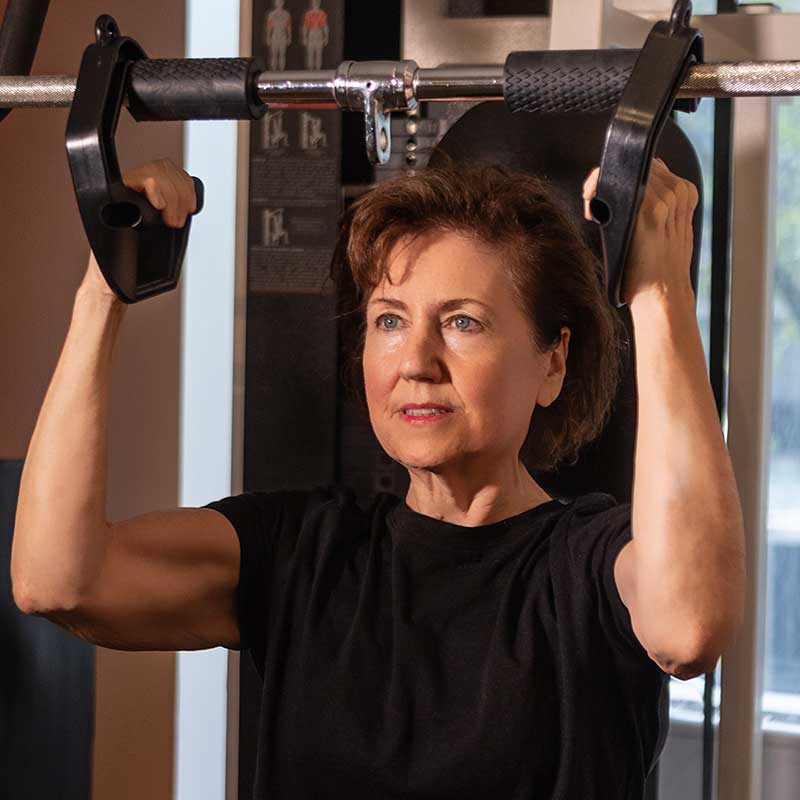
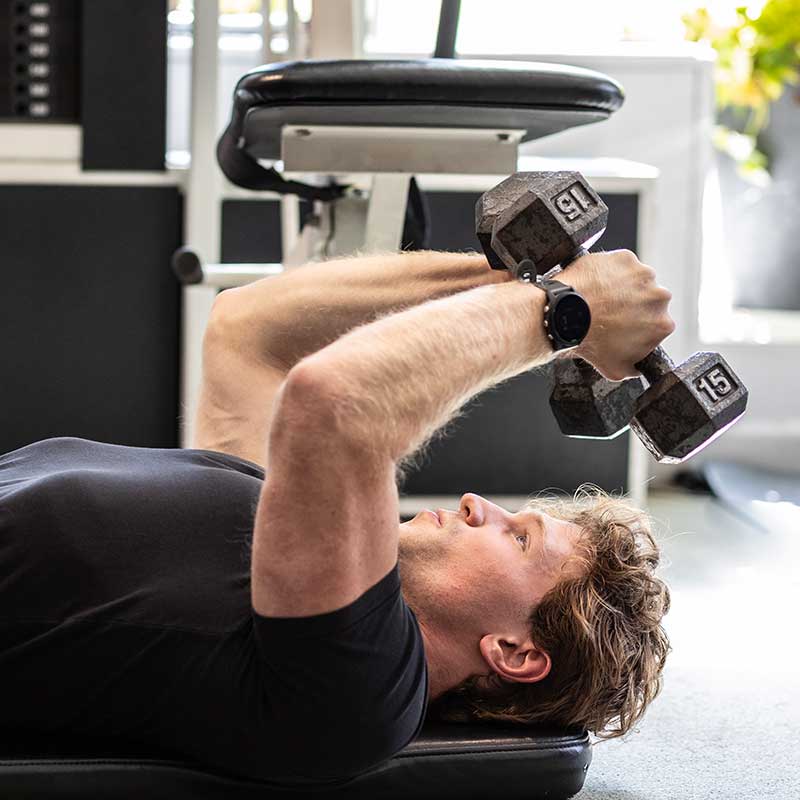
As you age, maintaining muscle mass becomes increasingly crucial for overall health and functional well-being. Engaging in regular strength training activities helps combat age-related muscle loss, raises metabolic rate, and enhances bone density. To gain strength and build muscle, incorporate a combination of resistance exercises like weightlifting, bodyweight exercises, and resistance band workouts into your fitness routine.
2. Tailor Your Workout Routine:
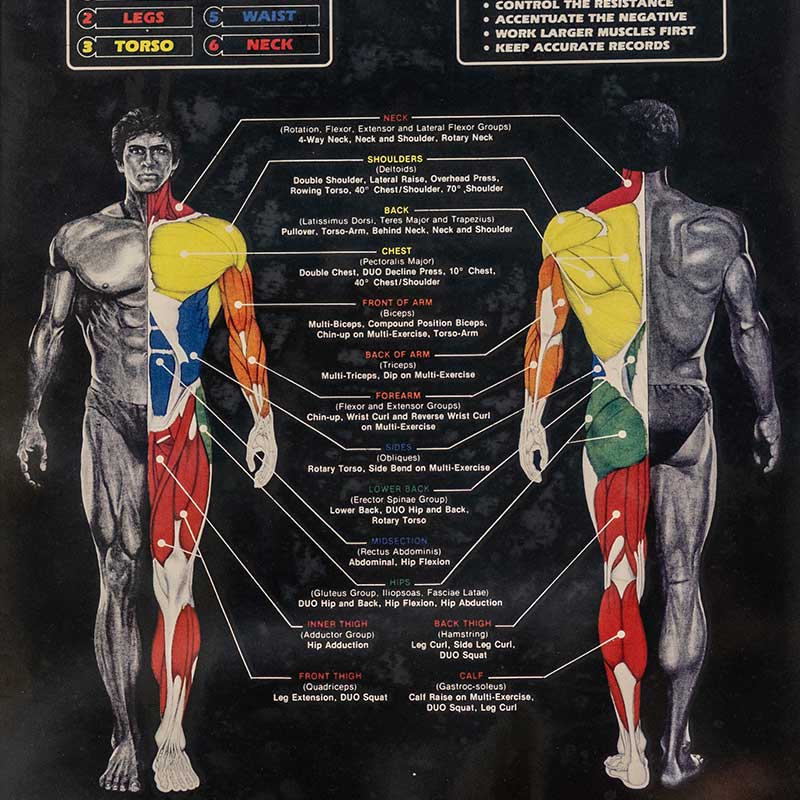
Designing a well-rounded workout routine is crucial for effectively building muscle after 40. Focus on compound exercises that engage multiple muscle groups simultaneously, such as squats, deadlifts, bench presses, and pull-ups. Additionally, incorporate targeted exercises for specific muscle groups to ensure overall muscle development. To maximize gains, it's advisable to work out at least three to four times a week, allowing sufficient time for recovery between sessions.
3. Optimize Nutrition:
Proper nutrition plays a pivotal role in building muscle and retaining muscle mass. Ensure your diet is rich in lean proteins, which provide the necessary amino acids for muscle repair and growth. Include foods like lean meats, poultry, fish, eggs, legumes, and tofu. Additionally, consume a balance of complex carbohydrates, healthy fats, and a rainbow of fruits and vegetables to support overall health and energy levels. Consider consulting a registered dietitian or nutritionist to develop a personalized meal plan tailored to your specific needs.
4. Prioritize Recovery and Rest:
Allowing your body adequate time for recovery and rest is paramount when building muscle after 40. Aim for seven to nine hours of quality sleep each night to support muscle repair and overall well-being. Incorporate active recovery methods, such as foam rolling or gentle stretching, to alleviate muscle soreness and enhance flexibility. Additionally, consider alternating intense workout days with lighter sessions to prevent overtraining and reduce the risk of injury.
5. Seek Support and Guidance:
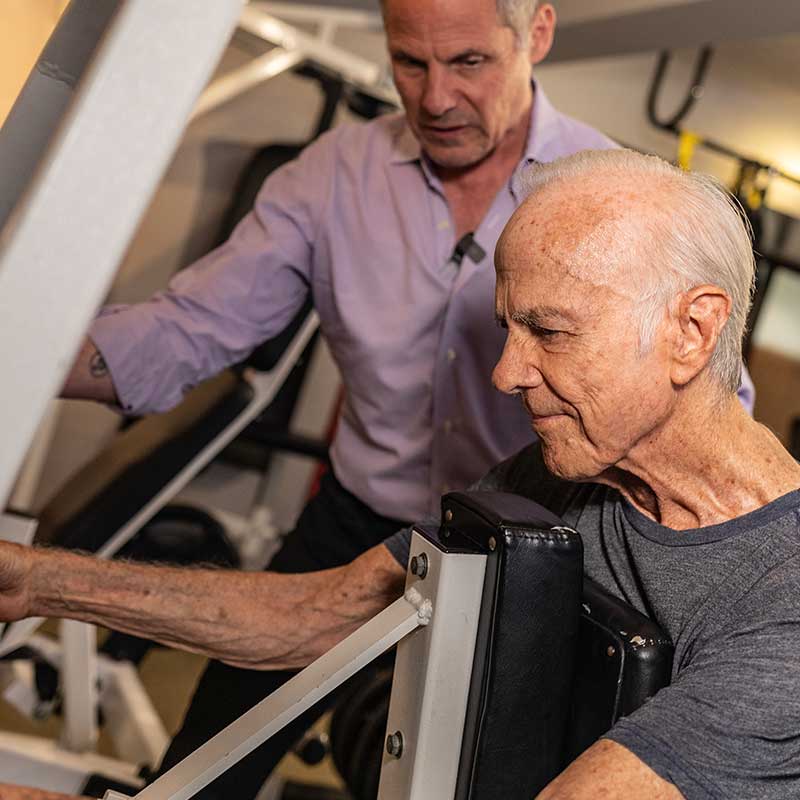
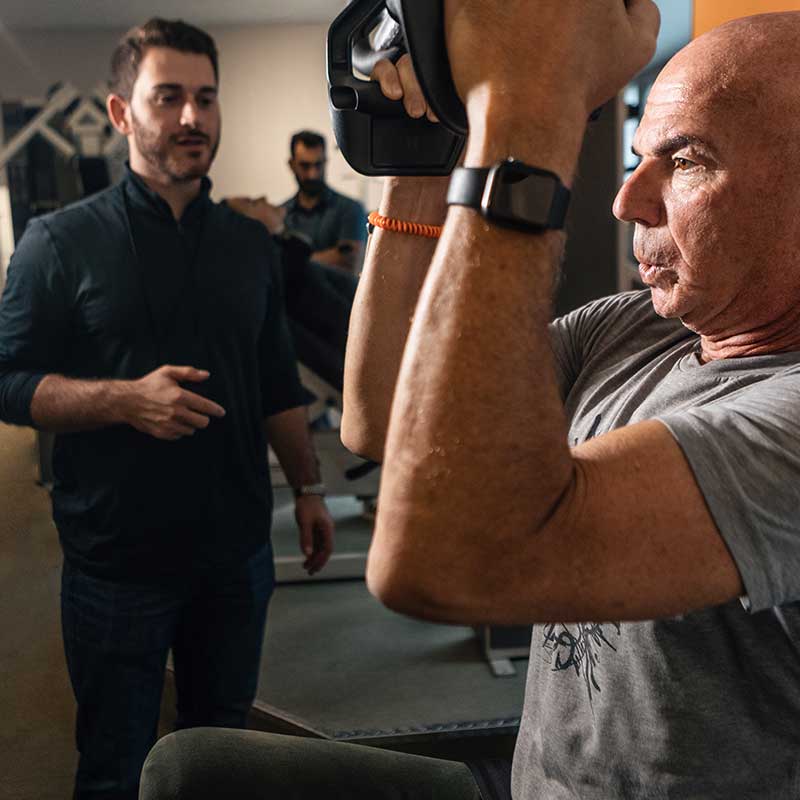
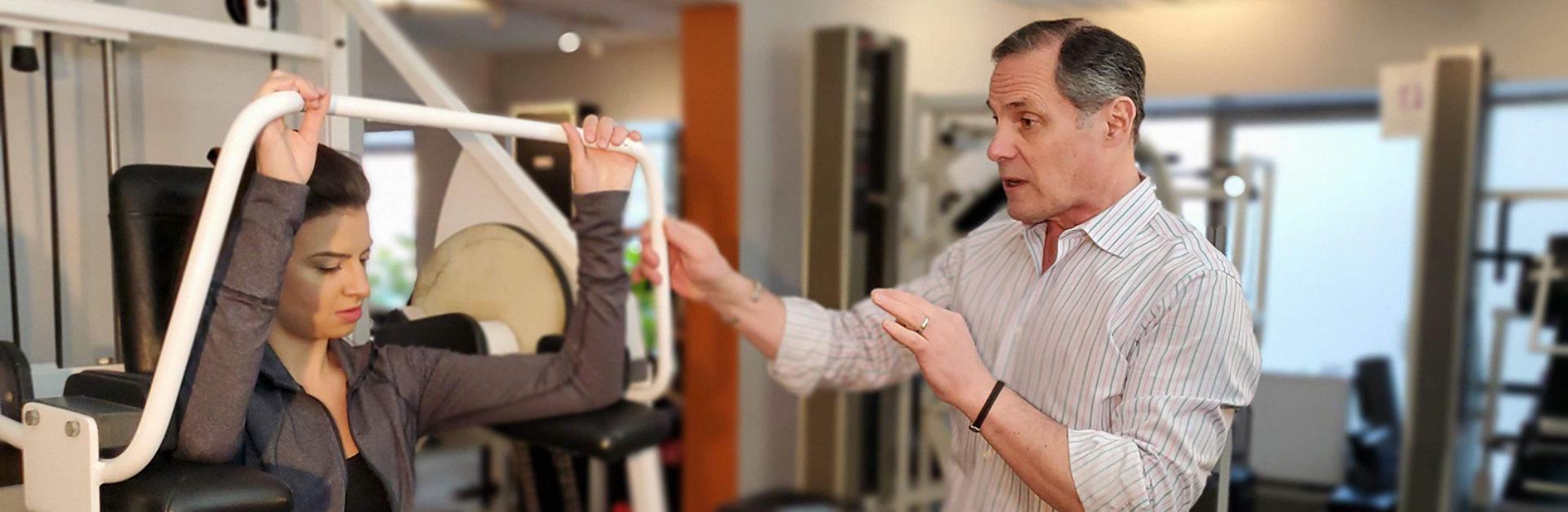
Embarking on a fitness journey at any age can feel overwhelming. To ensure you stay motivated and safe, consider seeking support and guidance from fitness professionals. Working with a qualified personal trainer can help you create a customized workout plan that aligns with your goals and abilities, providing expert guidance and accountability along the way.
Conclusion:
Building muscle after 40 is not only possible but also essential for a healthy and active lifestyle. By incorporating regular strength training, tailoring your workout routine, optimizing nutrition, prioritizing recovery and rest, and seeking professional guidance, you can gain strength, get fit, and retain muscle mass well into your 40s, 50s, and beyond. Start your journey to a stronger self in the vibrant community of Port Washington, NY.
FAQs
For competitive lifters who’ve trained the movement for years and accept the risk as part oftheir sport, it’s a fair trade. For most other people the risk-to-reward math doesn’t hold up. Thebarbell sits on your spine, the load goes straight down through your discs, and theconsequences when technique fails are severe. You can build very nearly the same strengthwith far safer tools.
Improvement in balance is highly specific to the task you train. Standing on a wobble boardmakes you better at standing on a wobble board. It doesn’t transfer the way the marketingsuggests. The better path to real-world stability is being stronger and moving regularly.
Not at all. Cardio is valuable activity in its own right, and it can be serious training. The troubleis when it gets evaluated by a definition that doesn’t fit. It deserves its own conversation.
For strength: progressive resistance training built around the major muscle groups, enoughprotein, enough sleep, daily movement. For everything else: pick activities you enjoy and dothem often. The fundamentals work. They just don’t sell magazines.
Exercise, the way I use the word, is structured work designed to build strength safely.Recreation is any activity that keeps you moving — sports, hiking, dance, tennis, cardio. Bothare valuable. They just shouldn’t be evaluated by the same rules, and confusing them is wheremost fitness debates go off the rails.